
M121 Dissolved-Oxygen Measurement System
Introducing the Rank Brothers M121, a next‑generation dissolved‑oxygen measurement system engineered for high‑precision fluid analysis.
It employs a fully digitised architecture that combines the strengths of the analogue Model 10 and Model 20 into a single platform, improving signal
stability, response accuracy, and calibration reliability.
The M121 retains proven Clark‑type sensing while incorporating modern
electronics, lower‑noise performance, and streamlined control interfaces
for robust, repeatable oxygen quantification across a broad measurement
range.
If you would like to find out more about the M121, please contact our team.
.png)
Technical Data
Resolution
0.1% saturation
Polarising range
0-1v
Recorder output
0.1v via 4mm 'banana' socket
Stirrer control
120-1200 rpm
Power supply
110-240 VAC 50-60Hz
Size (Reading Monitor only)
165 x 205mm (H x W)
Weight (Reading Monitor only)
1.53kg
Display
7" Capacitive Touchscreen
Shipping size
42cm x 37cm x 22cm (W x D x H)
Shipping weight
6kg
Channels
2 Independent Measurement Channels
USB
Serial CSV Data Output
Temperature monitoring
2 Inputs
Recommended desk space
Width
400mm
Depth
650mm
.png)
Key Components
The M121 comprises of four key components to deliver precise dissolved-oxygen analysis readings.
.png)
The M121 Reading Monitor
A modernised 7"capacitive touchscreen display compatible with a wide variety of laboratory disposable gloves. The monito includes 2 inputs for electrodes, 2 outputs for stirrer control, 2 inputs for temperature probes, 4mm jacks for 0-1v output per electrode channel and a USB port for digital data output.
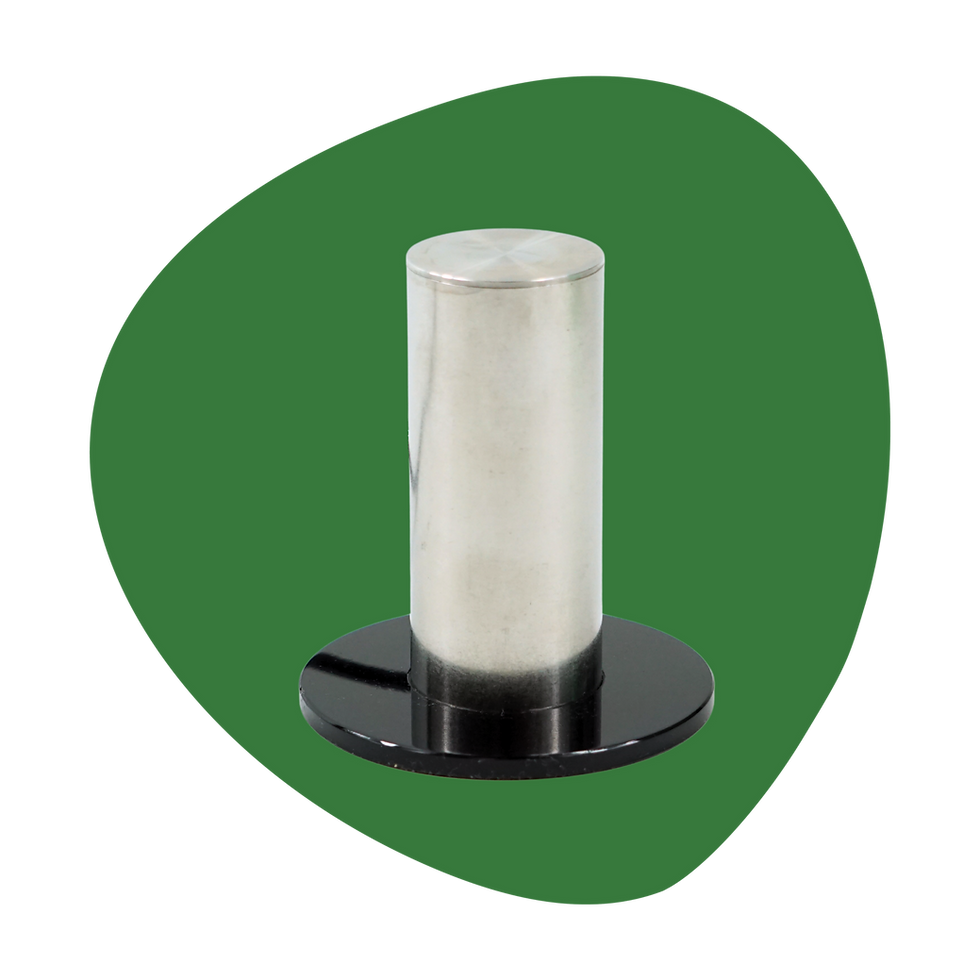
The Oxygen Chamber Stirrer
The magnetic stirrer is a critical part of the oxygen measurement system. Its gentle, continuous stirring ensures fresh sample is constantly presented to the membrane, preventing local oxygen depletion and maintaining accurate, stable and repeatable measurements.

Electrode and Sample Chamber
Based on the 'Clark Cell', our electrode measures oxygen uptake or production by cell suspensions, subcellular particles, and enzyme systems. The sample chamber, available in Perspex or glass, mounts directly onto the electrode and features an integrated water jacket for temperature-controlled operation.
Key Benefits

Proven Accuracy
A rapid‑response Clark‑type sensor engineered for high sensitivity, even at low oxygen levels.

Customisation
Flexible chamber designs that support specialised or unconventional samples
beyond fixed‑format multiwell systems.

Versatility
Compatible with a wide range of sample volumes and biological sample types.

Affordability
A lower‑cost alternative to
high‑throughput platforms, with reduced long‑term operating expenses

Modern interface
A modern 7" touch screen interface that streamlines stirring control, calibration, and data viewing.

Scalability
A compact accessory range that expands lab capability without replacing existing hardware.


Advantages over motor driven stirrers
The stirring heads produce considerably less electrical noise than motor driven type stirrers making them ideal for applications where sensitive electronic instrumentation is used to monitor the fluid.
No moving parts make the heads very reliable.
All heads driven from the control unit run at exactly the same speed.
The lack of any moving parts reduces the heat generated by the head, protecting the sample from any excessive heat incurred from a motor driven stirrer.
Expansion module
Increase the controller's ability to stir more cuvettes by adding up to 3 of our expansion ports.
Each port facilitates 3 cuvette stirrers to be added to the controller, but each will use one of the control unit's ports:
-
Add 1 port = 5 cuvette stirrers.
-
Add 2 ports = 7 cuvette stirrers.
-
Add 3 ports = 9 cuvette stirrers.
The same control unit powers all.
Specifications
Width
100mm
Depth
50mm
Height
40mm


Stirring bars
We offer a range of stirring bars in both glass and PTFE
encapsulation.
Need something specific? Challenge us to make it for you.

OEM
We’ve partnered with many spectrometer manufacturers in the past to provide cuvette stirrers to their exact requirements.
Alternatively, purchase our existing design without the plug, ready to incorporate straight into your cell holders.
Coming soon! OEM-controlled PCB, let us do the difficult electronic control. All you need to do is send the required PCB running speeds and off you spin!